
Sort plastic into the route that creates the most value.
Incoming material is separated so each plastic stream goes where it can do the most good. Suitable mixed plastics move into pyrolysis, PET is recovered for reuse, and selected residual streams move into controlled biological treatment. This improves recovery, reduces waste, and helps partners get more out of the same waste stream.
- Separate PET from mixed plastic feedstock.
- Identify suitable material for pyrolysis.
- Reduce contamination before downstream processing.
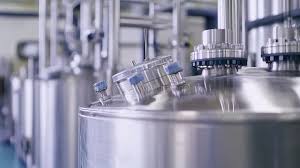
Turn hard-to-recycle plastic into products partners can use.
Pyrolysis is the lead process because it converts suitable hard-to-recycle plastic into bio-oil and diesel-range outputs with real commercial value. Those outputs can support partner operations, further processing, or wider circular manufacturing pathways. That means partners are not only solving a waste problem. They are also sharing in the value created from the material already passing through their system.
- Bio-oil for further processing or upgrading.
- Diesel-range outputs for partner use cases where the operating model supports it.
- Potential feedstock pathways for new plastic production.
Keep valuable plastic in use for longer.
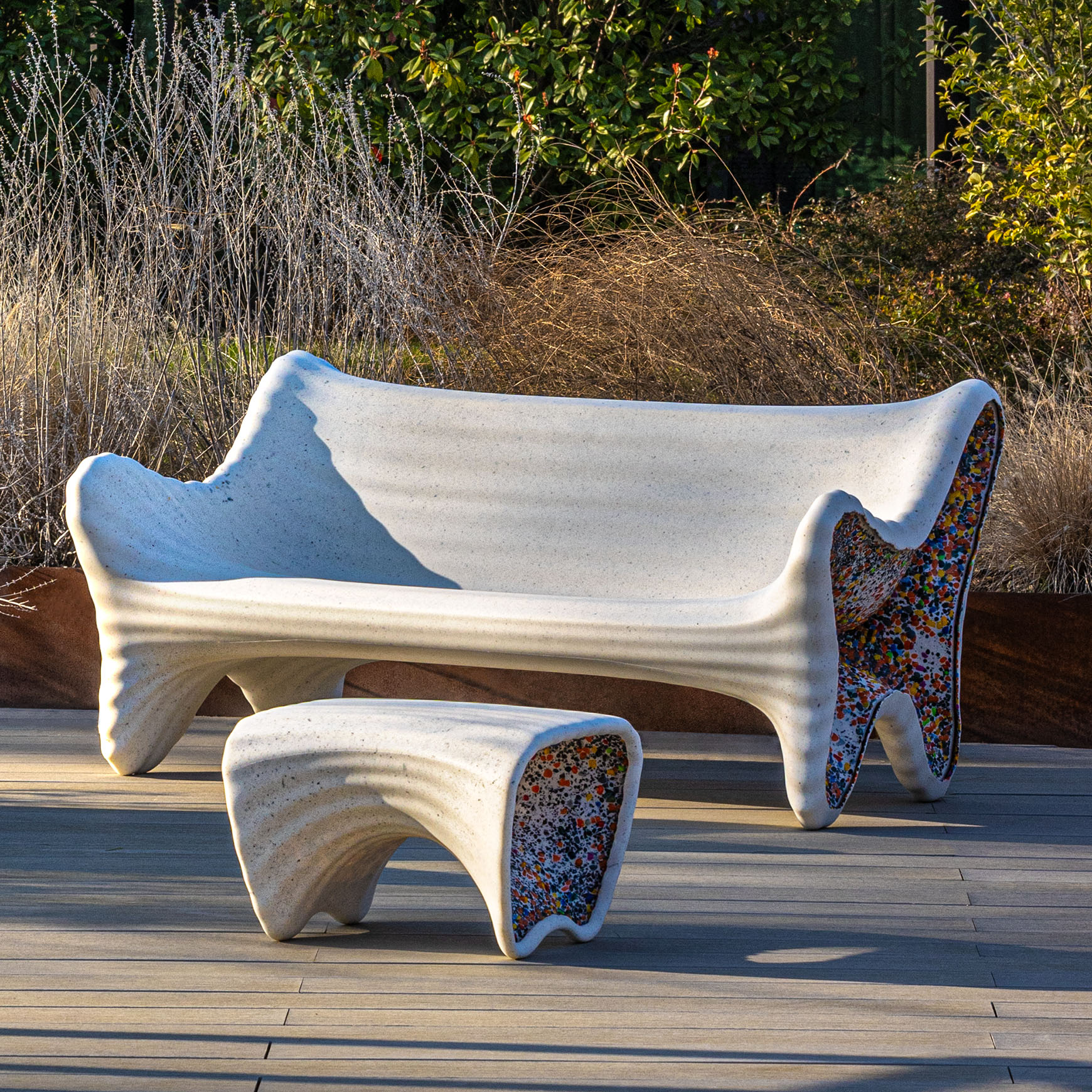
PET recovery stays in the model because it adds a second clear value stream alongside pyrolysis. It supports manufacturing reuse, practical product outputs, and visible local results, while keeping the overall commercial emphasis on the larger pyrolysis opportunity.
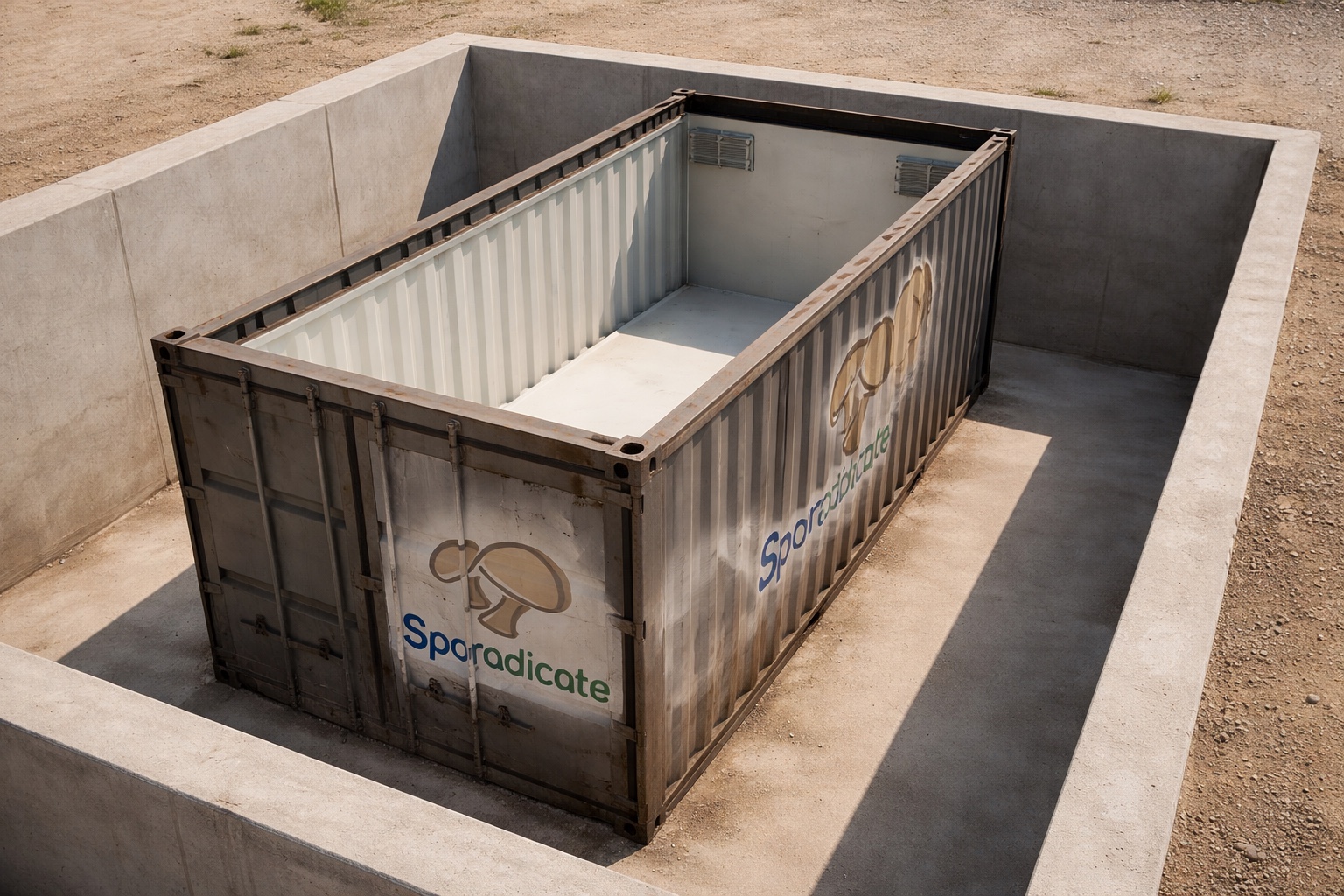
Use controlled biological treatment where it adds the most value.
Mycelium bunkers support the overall process by treating selected residual materials in a managed environment. This gives partners another route for difficult material, improves overall recovery, and helps future-proof service levels as legislation, reporting requirements, and customer expectations continue to change.